

by Herbert Dennard
The Middle Georgia Informer
Diabetes is taking a serious toll on our community. Too many families are watching loved ones struggle with high blood sugar, heart disease, kidney failure, and dialysis. But are we doing enough to prevent these problems before they threaten our lives?
Lonnie Miley, Chief Deputy Coroner of Bibb County, has a story that every family in Middle Georgia should hear.
During a recent appearance on the Ask Elaine Talk Radio Show, Miley shared his personal battle with diabetes and the changes that helped him take control of his health.
A Wake-Up Call
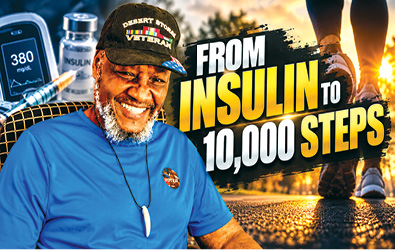
Miley recalled feeling tired, having little energy, and going to the bathroom more often than normal. When he sought medical help, his blood sugar was around 380, a dangerously high reading.
He was placed on insulin to help control his diabetes.
But Miley knew something had to change.
Rather than depending on medication alone, he began learning more about diabetes and working with his doctor to improve his health.
He cut back on sweets and sweet tea, paid closer attention to bread and fruit choices, and began walking regularly.
Eventually, he worked his way up to 10,000 steps a day.
He also used a continuous glucose monitor to track his blood sugar and understand how different foods affected his body.
Through these changes, Miley lost significant weight and improved his blood sugar. With medical guidance, he reached the point where he no longer needed insulin shots.
His story shows what determination, education, and proper medical care can accomplish.
Diabetes and Kidney Disease: A Dangerous Connection
Here is something our community must understand.
Diabetes is one of the leading causes of kidney disease. Over time, high blood sugar can damage the kidneys, making it harder for them to clean waste from the blood.
High blood pressure can cause even more damage.
If kidney disease becomes severe, a person may need dialysis or a kidney transplant to survive.
We cannot continue ignoring these warning signs until it is too late.
The good news is that some people with Type 2 diabetes can achieve remission through lasting lifestyle changes and medical care. Early kidney damage may sometimes improve, and treatment can help slow further damage. However, advanced kidney disease is often permanent.
That is why regular checkups, blood sugar testing, blood pressure control, and kidney screening are so important.
Our Health Is Our Responsibility
Miley’s story is not about a miracle cure. It is about a man who recognized a serious problem and decided to do something about it.
Not everyone can walk 10,000 steps a day. Not everyone will be able to stop taking insulin. But nearly everyone can take a first step toward better health with the right medical support.
Start by learning your A1C, blood pressure, and kidney test results. Ask your doctor what foods, activities, and treatments are right for you.
Never stop taking insulin or other prescribed medication without your doctor’s approval.
We talk about saving our communities from violence, poverty, and crime. But we must also talk about saving ourselves from diseases that are hurting our families.
Lonnie Miley’s experience should be a wake-up call.
Don’t wait until diabetes damages your eyesight or kidney disease puts you on dialysis before taking your health seriously.
Your life is worth the effort. Your family is worth the effort. And your health is too important to ignore.

